
Africa is home to some of the world’s richest ecosystems. These include vast tropical forests to critical freshwater systems and millions of hectares of arable land. Yet despite holding nearly a quarter of global biodiversity, the continent receives less than 3% of global nature finance.
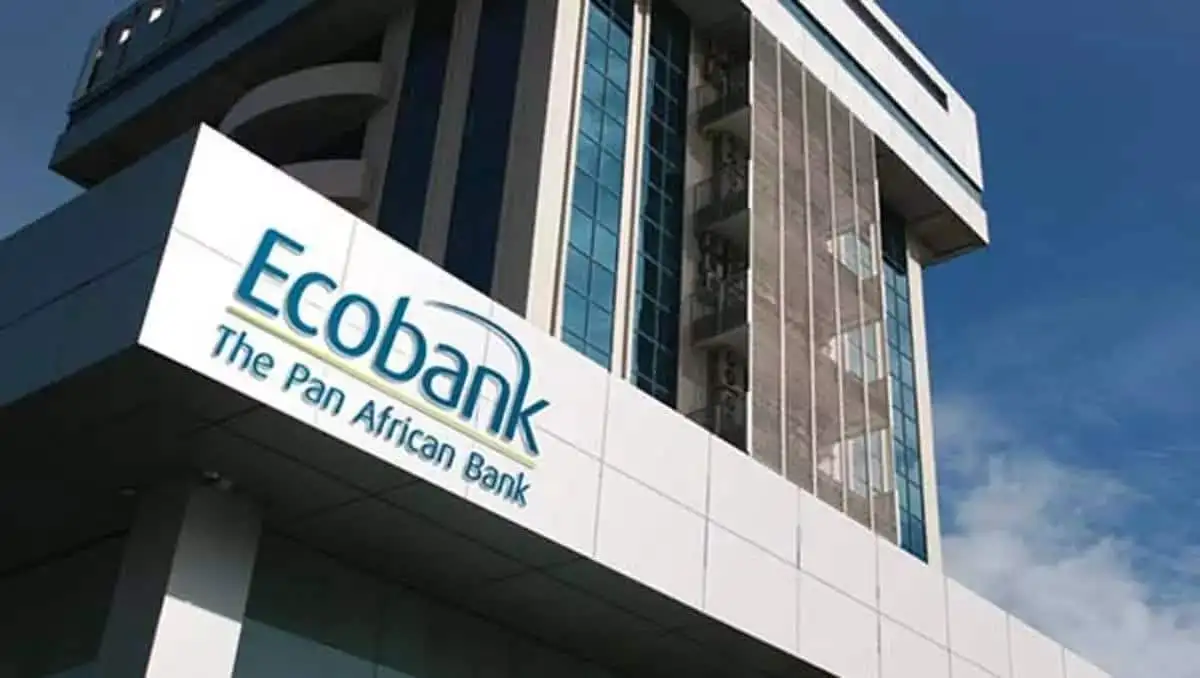
That imbalance is what Ecobank Group is attempting to address with the launch of a $450 million Nature Bond. This is a first-of-its-kind instrument issued by a commercial bank and listed on the London Stock Exchange.
The bond was received the highest possible sustainability quality rating (SQS1 Excellent) from Moody’s and is designed to channel capital directly into Africa’s real economy. It is targeting the farmers, agribusinesses, and water systems that play a daily role in shaping environmental outcomes.
For years, conservation financing has struggled to reach the people and systems most responsible for both environmental degradation and protection. Much of it has been project-based or donor-driven, often disconnected from everyday economic activity.
Ecobank’s Nature Bond takes a different approach.
Instead of funding isolated conservation efforts, the bond supports:
- Smallholder farmers adopting sustainable agricultural practices
- Agri-processors building deforestation-free supply chains
- Water infrastructure protecting critical freshwater ecosystems
The $450 million raised will be deployed across 24 African markets, with a strong focus on biodiversity-priority countries such as Côte d’Ivoire, Burkina Faso, and Ghana.
Notably, 81% of the eligible lending pool is directed toward regions where agricultural land-use change is the primary driver of biodiversity loss. In simple terms: the money is going where it is needed most.
While green bonds have become more common globally, Nature Bonds represent a more focused evolution.
Under international standards, proceeds from a Nature Bond must specifically support:
- Biodiversity protection
- Sustainable land use
- Nature-positive agricultural practices
- Water ecosystem conservation
In this case, each loan financed under the bond is tied to seven independently verified sustainability conditions, including deforestation screening and supply chain traceability.
Investor appetite for the bond was strong, with demand reaching $1.36 billion. This is nearly four times the initial target. This allowed Ecobank to increase the size of the bond and tighten pricing. This has shown there is growing confidence in Africa’s nature-based investment opportunities.
Also Read: Addis Ababa Declaration Puts Africa at the Center of Global Climate Action