
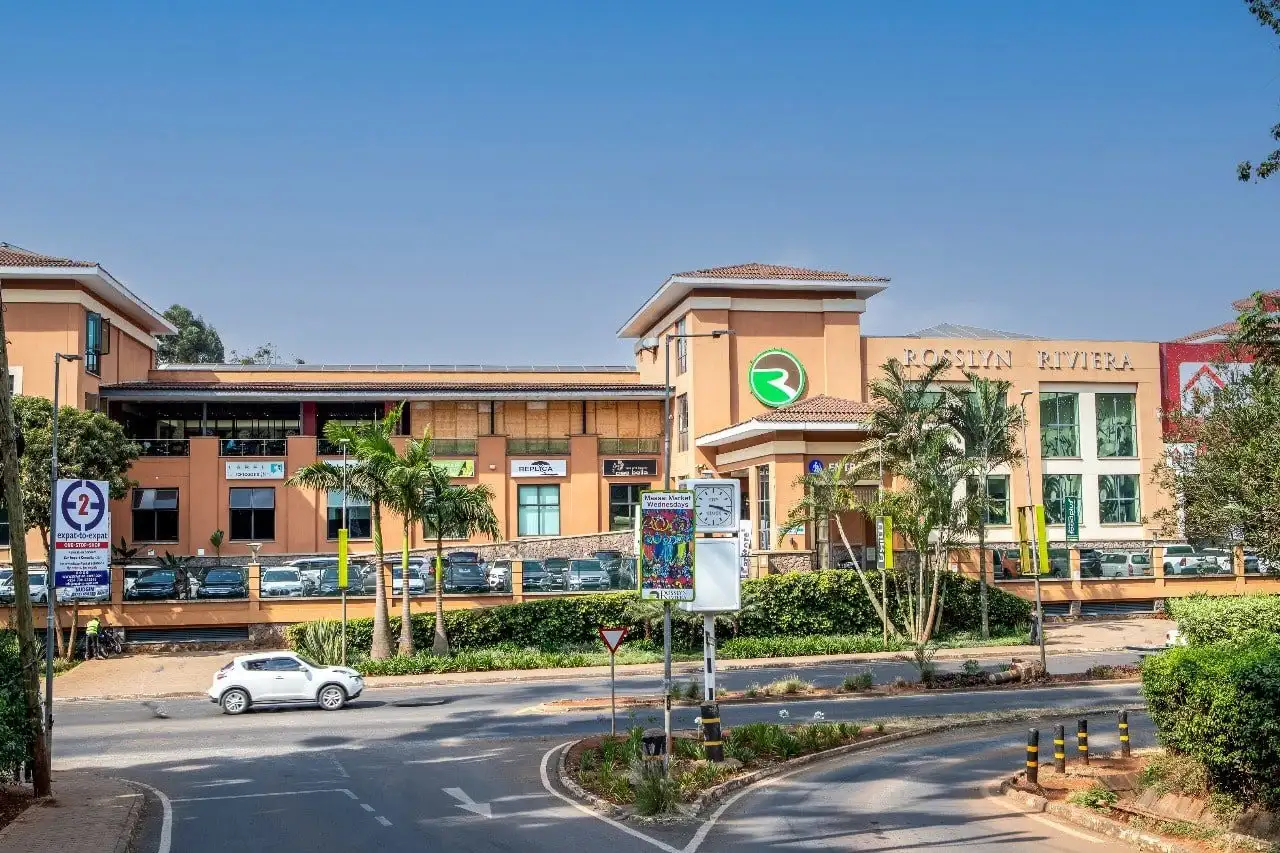
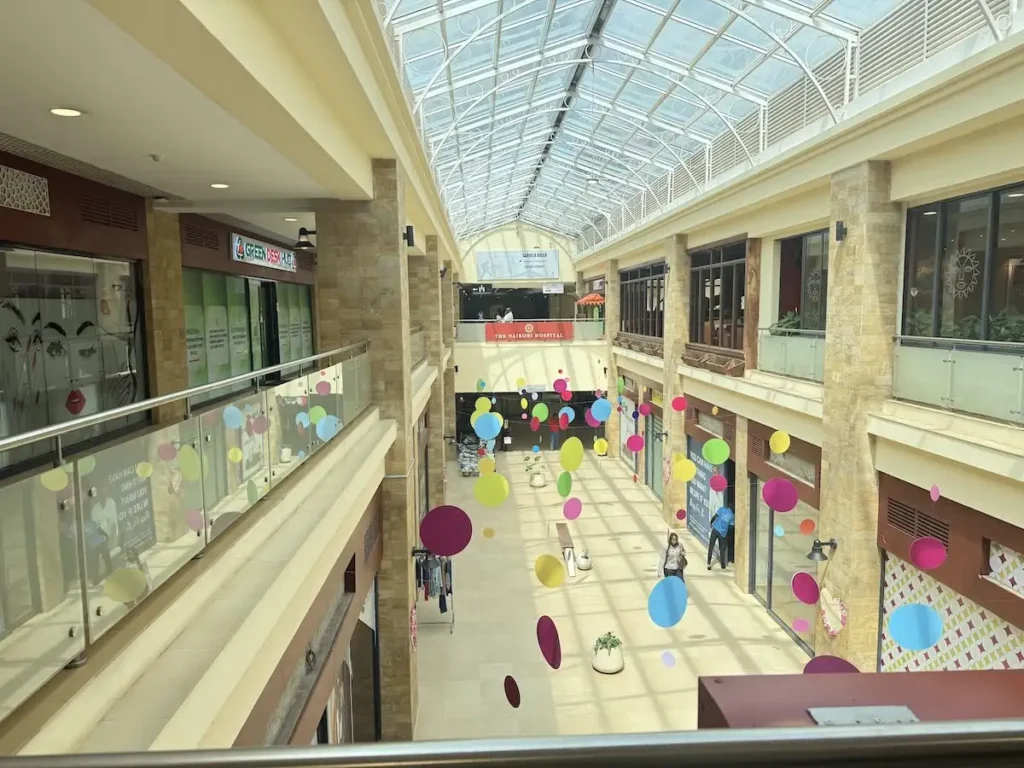
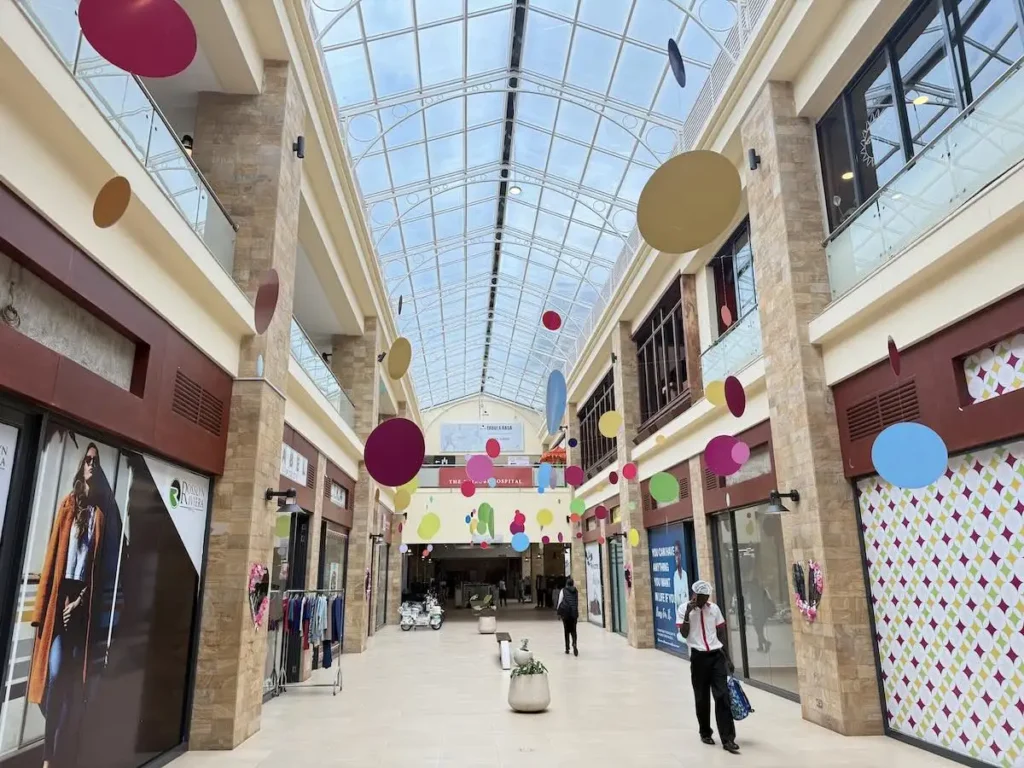
On the surface, Rosslyn Riviera Mall fits the familiar image of a modern Nairobi shopping and lifestyle destination with restaurants, retail spaces and steady foot traffic from tenants and visitors.
But behind that everyday experience is a story unfolding, a gradual shift toward embedding sustainability into the mall’s core operations, not as a standalone project, but as part of how the property functions day to day.
As the world marks World Environment Day, Rosslyn Riviera Mall offers a useful snapshot of how commercial developments in Nairobi are beginning to integrate environmental thinking into infrastructure, utilities, and even landscaping.
Water reuse as an operational system
One of the most practical sustainability approaches at the property is its water management strategy.
Rainwater is collected and reused for non-potable functions such as cleaning and toilet flushing systems. While not always visible to visitors, this kind of reuse reduces dependence on external water supply systems and helps stabilize internal demand across a busy mixed-use environment.
The approach reflects a broader shift in commercial property management of treating water as a cycle that can be captured, reused and optimized within the building ecosystem.
Turning organic waste into landscaping input
Another key component of the mall’s sustainability system is its handling of organic waste.
Organic waste is processed through external waste management partners and is then converted into manure or fertilizer. This material is then reintegrated into the property’s landscaping maintenance system. The result is a small but functional circular loop where organic waste supports the same green spaces that define the mall’s visual identity.
Landscaping as an integrated ecosystem
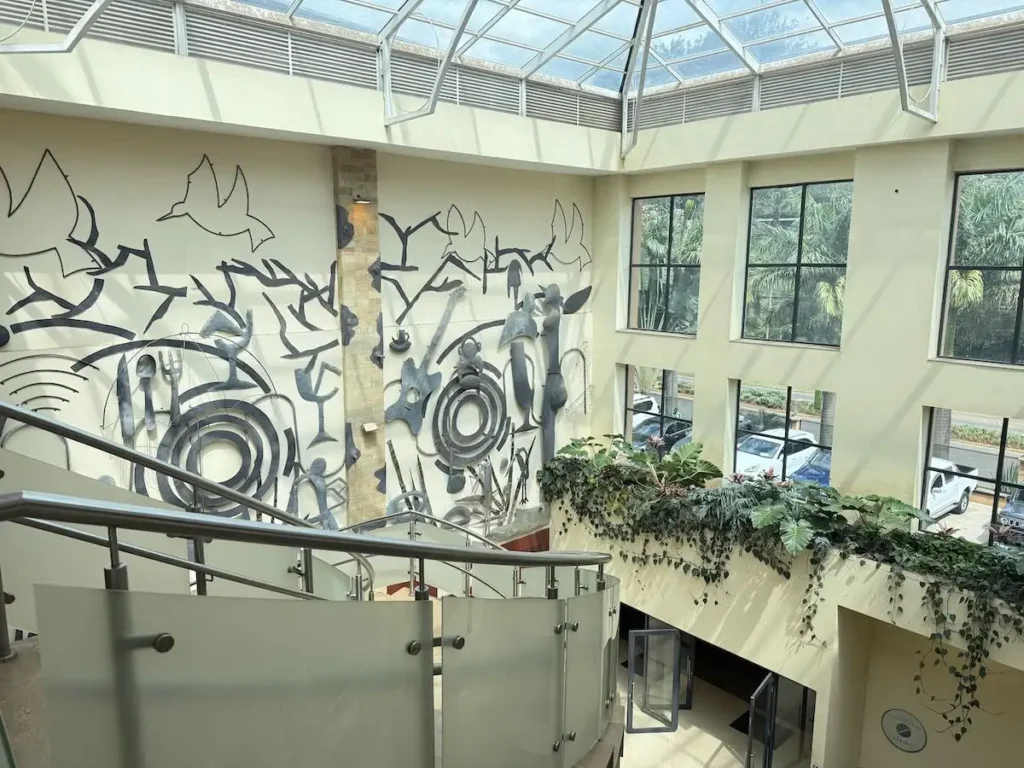
Perhaps the most visible sustainability feature at Rosslyn Riviera Mall is its landscaping. Green spaces across the property are maintained with organic fertiliser. This supports plant life that forms part of the mall’s broader aesthetic and visitor experience. The landscaping extends beyond decorative value.
According to operational insights shared by Joshua Muinde, Chief Executive Officer of Rosslyn Riviera Mall, the approach is consistent across multiple sections of the development. He said that tenants often adopt similar environmental sensibilities within their own spaces.
The result is a relatively cohesive green environment shaped by ongoing maintenance rather than one-time landscaping design.
Energy efficiency
Energy remains the most developing layer of the mall’s sustainability journey. Full-scale renewable energy integration is still in progress as there are ongoing discussions and planning around incorporating solar energy into parts of the property’s operations. Early focus areas include shared infrastructure such as lighting, corridors and other common spaces where energy demand is consistent and predictable.
This phased approach is a reality for many commercial properties where energy transition is rarely immediate. It most cases it evolves in stages as infrastructure, cost considerations and technical requirements align.
Managed environment beyond the building itself
The mall’s environmental management extends beyond the building footprint.
The landscaping and greenery in surrounding areas are also maintained as part of the broader property ecosystem. This creates a continuous visual and ecological link between the mall and its immediate environment. This reinforces the idea of a managed green space rather than an isolated structure.
What emerges from Rosslyn Riviera Mall’s operations is not a single headline sustainability project, but a set of interconnected systems working at different levels from water reuse, organic waste cycling, landscaping maintenance and early-stage energy transition.
When combined, these elements reflect a broader shift in how urban commercial spaces are beginning to approach sustainability where it is less about branding and more as infrastructure behavior.
On World Environment Day, that distinction matters. It highlights a growing reality in cities like Nairobi that sustainability is increasingly being built into the background of everyday spaces, not is not just showcased in flagship green projects.
Also Read: Can Greener Aircraft Maintenance Help Decarbonize African Aviation?